Apple Compared My Neurodivergent Disability Adjustments to Dog-Sitting Under Tim Cook’s Leadership
The full 38-minute recording of the call where Apple withdrew the job it had already decided to offer me — released in full, for the first time.
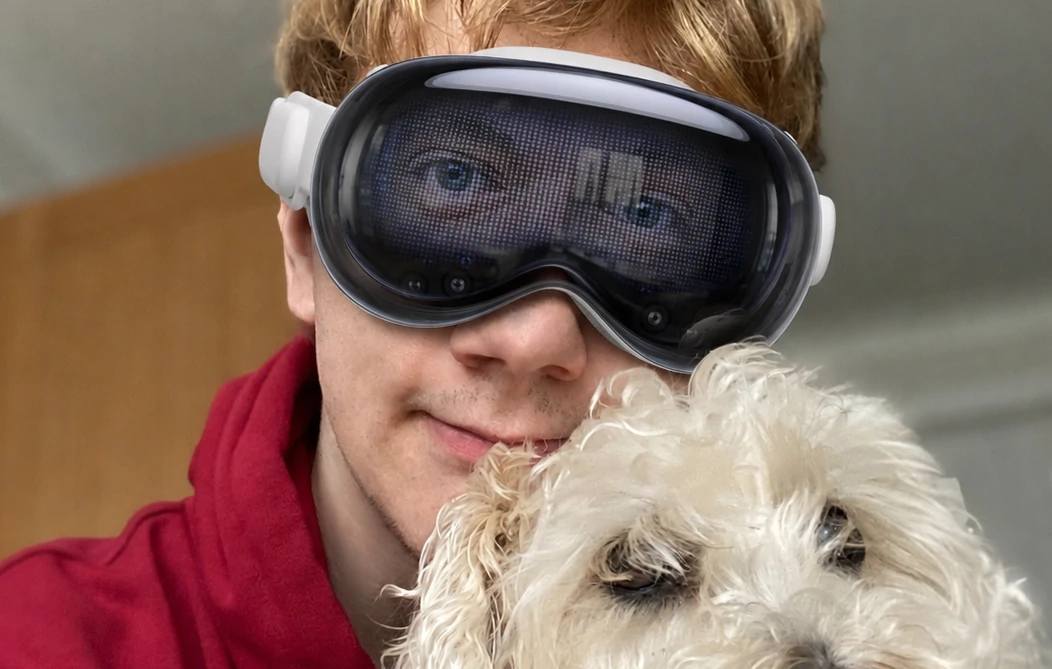
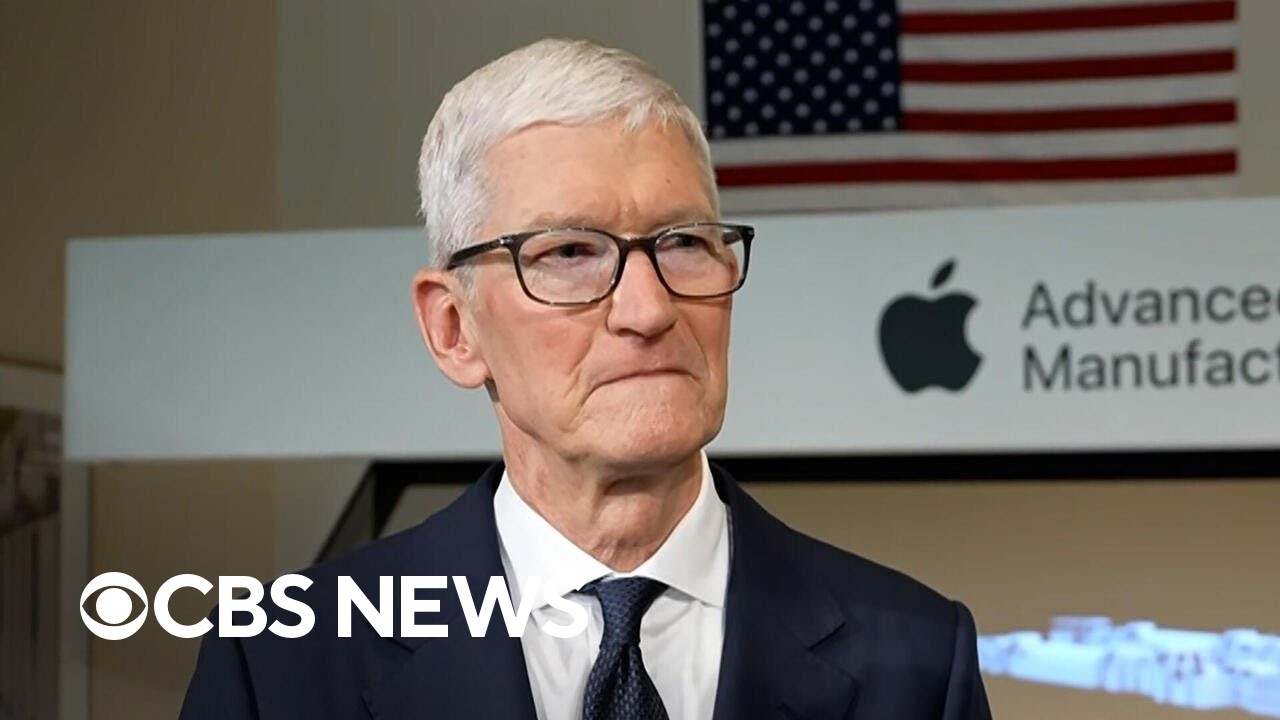
“I hope that people say I was a good and decent man.”
“…if someone’s reason is similar to yours or if someone’s reason is ‘hey I just need to babysit’ or ‘dogsit’, whatever…”
Two years and two months apart. The second one is what Apple’s Talent Acquisition Leader for EMEA Tech compared my disability adjustment request to, the day after I was told my offer was coming.
In brief
- In June 2024, after ten interviews and nearly three months, Apple told me my offer for an R&D role on Apple Vision Pro would arrive within 24 to 48 hours.
- Believing the job was mine, I disclosed sensitive personal detail about my disabilities: that I am autistic and dyspraxic, and that I had been diagnosed with ADHD during the final weeks of the interviews and had only just started medication for it. I asked for one adjustment — a phased start, building up to the three office days the team already worked, while that medication stabilised.
- Within a day the job was gone. Rad Akbari, Apple’s Talent Acquisition Leader for EMEA Tech (R&D), wrote internally that I “cannot commit to being in the office” – the disability and the medical reason both removed.
- The next day I recorded the call. On it, my adjustment request is compared to wanting to “babysit” or “dogsit”, and he refers to “your offer and your contract” – while Apple has told two courts no offer ever existed.
- His LinkedIn profile lists, among his own responsibilities, “Driving diversity and inclusion initiatives across the organisation” and “Continuously improving inclusive assessment plans”.
- Apple has never disputed a word of what was said. It made sure the man who said it never had to answer for it under oath.
This publishes in Tim Cook’s final weeks as chief executive; John Ternus takes over on 1 September 2026. Cook keeps a portrait of Dr Martin Luther King beside his desk, and wrote the essay about paving “the sunlit path toward justice… brick by brick”. Under his leadership my disability was written up as an inability to commit. This article ends by putting that to both men — the one leaving, and the one inheriting it.
This page releases that recording in full for the first time — all 38 minutes, unedited, with a timecoded transcript. Everything below is the detail behind it.
Timecoded transcript (PDF) The clips, in context What Apple told the courts
What is it like to have a dream job pulled away from you after a candid disability adjustment disclosure, minutes after being told the offer was coming; then having to fight for it, on record, the very next day? Further, what is it like doing this under the navigation of a highly cited leader of Equality, Diversity and Inclusivity: Tim Cook, at Apple?
This article shares my full experience, through my lens – including a full captured audio recording of my call with Apple, and looks if Apple have learnt any lessons two years on as Tim Cook prepares to walk a sunlit path into retirement from his CEO position.
The full recording, the clips and the timecoded transcript are all downloadable, and all mirrored on IPFS.
Tim Cook’s Last Month — Defining a Legacy
Tim Cook is spending August saying his goodbyes and on 1 September 2026 he hands Apple to John Ternus. Tim told CBS News this week what he hopes for: that people will say he was a good and decent man. He believes he is leaving on the moral high ground, yet in the same answer he says that, in his view,
“your legacy is described by others, not yourself.”
I agree.
CBS News titled the clip “Tim Cook on his legacy: ‘I hope that people say I was a good and decent man’”. The line at the top of this article is not my selection from a long interview; it is the sentence CBS put in the title. Cook was interviewed by Jo Ling Kent at a Texas manufacturing facility, broadcast 13 August 2026, in his final weeks as chief executive. Kent asks the legacy question at 1:03; Cook’s answer, quoted above in full and unedited, runs from 1:20.
What follows happened at his company, on his watch, and, as I will show before the end, with his knowledge; I put it in front of him myself. Tim, his C-Levels, and Apple’s lawyers, internal and external, have known every detail for over two years.
Background
The story so far, including my complete email to Tim Cook, is in the article I published on Apple’s 50th anniversary, 1 April 2026: Thinking Too Different.
But the short version is this.
In 2024 I went through nearly three months of intensive interviews for an R&D role at Apple in London, on visionOS and Apple TV+: building the next generation of Persona for Apple Vision Pro and the unreleased hardware beyond it (call it Vision X). On 4 June 2024, Apple told me my job offer was coming within 24 to 48 hours. Believing the job was mine, I candidly disclosed my disabilities and asked for one adjustment to help me with a recent medical diagnosis and treatment, to gradually ease me into office work. Within a day, the job was gone.
I allege that is disability discrimination under the Equality Act 2010; Apple denies it, and has told two courts that no offer ever existed or was even decided. Apple’s own paperwork from that week has its recruiters “moving to offer stage” for me and the offer itself “in guidelines”; you will see it below. I took Apple to the Employment Tribunal, the UK court that handles workplace discrimination; due to matters that arose with Apple’s conduct this case continues. Concurrently, because Apple kept telling courts no offer ever existed while its own documents say otherwise, I asked the High Court to look at exactly that, formally alleging Contempt of Court against Apple. Apple then asked the court to throw my application out; the court did not. It is on pause until this October, when both sides are due to proceed with the case in front of a judge.
This is the short version of how I ended up representing myself, a litigant in person on disability benefits, against DLA Piper (a large global law firm used by Apple) and a King’s Counsel barrister, in two cases against the most valuable company on the planet; a company I previously admired, with my dreams of building the next generation of simulation and spatial computing tech on hold at best.
I recorded the call where my fate at Apple was sealed, and today I am releasing it in full; every minute of it, so you can hear what it is like to lose the job you earned, in real time, for the crime of being candid.
When I wrote to Tim Cook in March 2025, I told him his company’s facade had collapsed on top of me. This article is about the day it collapsed.
The Day Before — Nearly Three Months of Recruitment, an Imminent Offer
Offer Preparations Inside of Apple
By June 2024 I was nearly three months into Apple’s selection process. Ten interviews, the last of them on the evening of 3 June 2024. Within the hour of it ending, Apple’s internal thread was moving: my final interviewer, Norman Wang (Director of Engineering for Apple visionOS), scored me “a 4”, and Apple moved to the offer stage.

The man who picked that up was Rad Akbari, Apple’s Talent Acquisition Leader for EMEA Tech (R&D), who has run Apple’s European technology recruiting since 2019 (Vision Pro and the Vision Products Group included) and who had overseen my pipeline from the start. On Apple’s internal email chain Rad stated: “I’ll speak to Niall and revert back with an offer proposal tomorrow.”
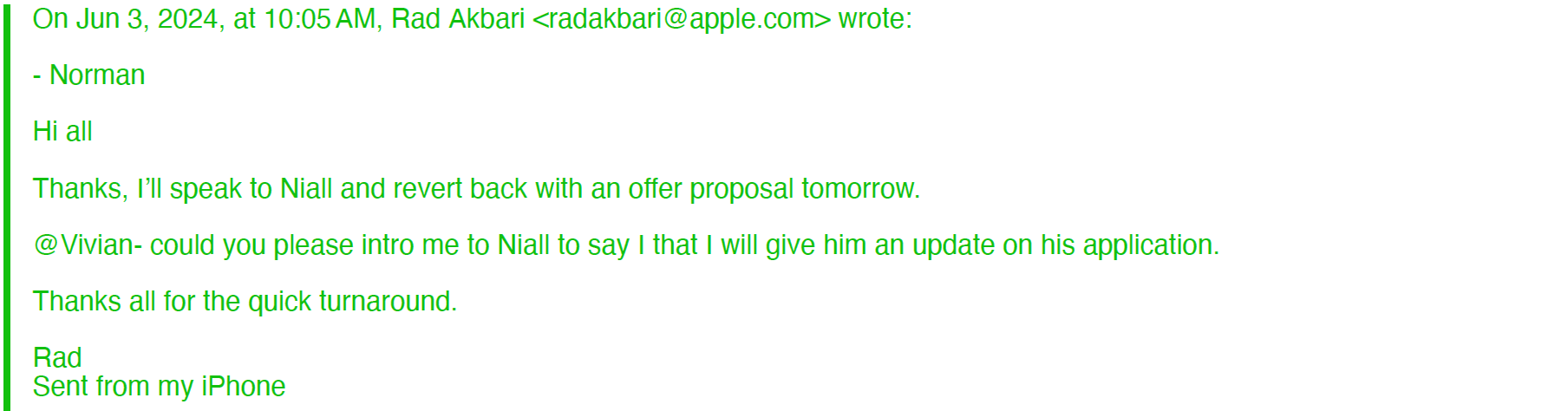
I did not know any of that yet; those emails reached me a year later, under UK data law. What I knew that evening was the email Apple sent me at 19:26: “Good news! Please e-meet Rad, he’ll be working with you on next steps!”
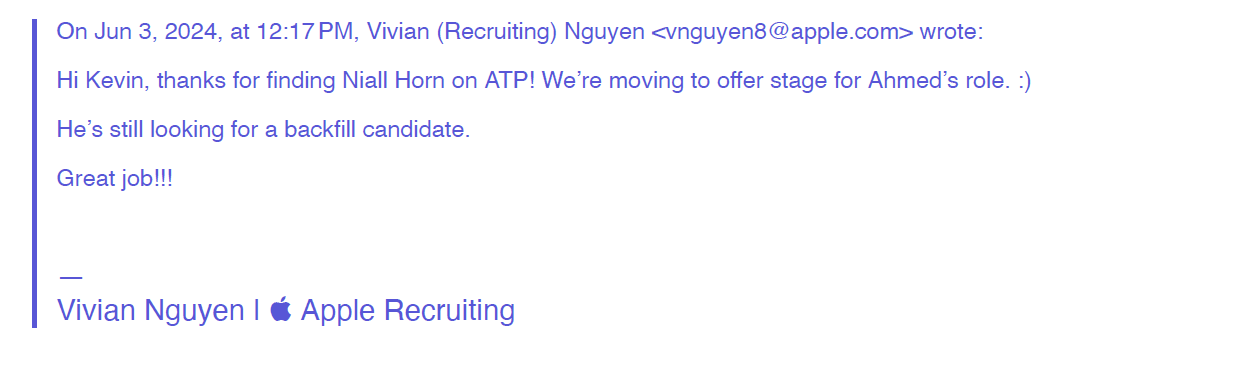
And if there was any doubt about the offer being prepped, I later was disclosed an email from Apple during the UK GDPR process (and later legal disclosure) showing Apple’s own recruitment staff congratulating themselves on finding me going ahead for the offer for my role working with Ahmed (who would have been my manager).
4 June 2024 — An Exciting Day
Needless to say, 4 June 2024 was an exciting day; I was ecstatic knowing I was waiting for a call.
Rad messaged me on WhatsApp at 09:21: “It’s Rad from Apple. Are you available for a quick call this morning?” (Yes, Apple, a four+ trillion dollar communications company, runs its hiring calls on Meta’s messaging app.) I missed his first call; we arranged for after midday, and at 12:43 he called. What followed was a nineteen minute call.
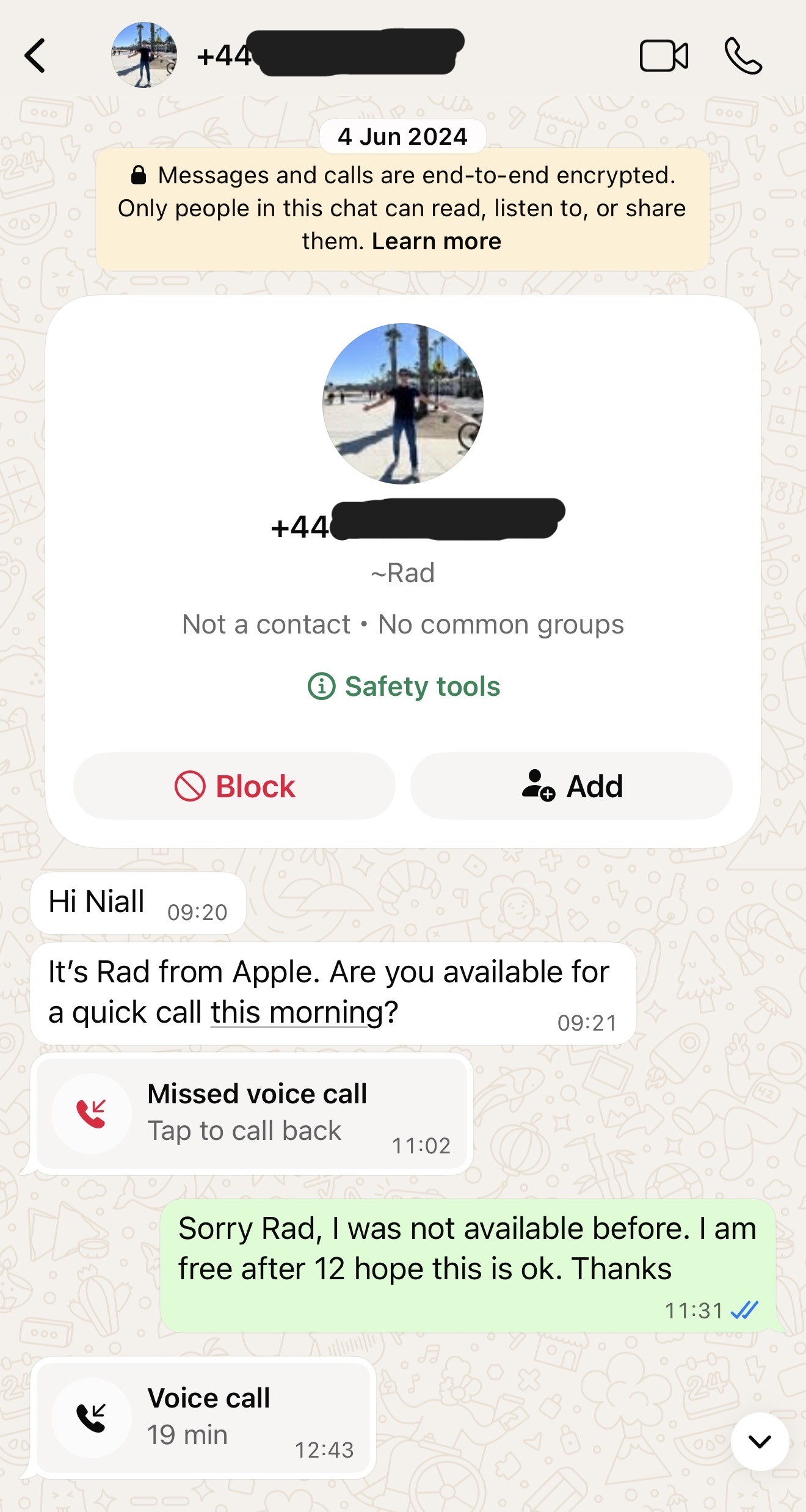
I did not record that call. It was a WhatsApp call arranged with a couple of hours’ notice, and I believed I was about to receive good news. But I wrote everything down within hours, in notes that are now evidence.
Rad told me my interview feedback was very positive, no red flags. He told me Apple was planning to make my offer within 24 to 48 hours, pending final feedback and preparations. He walked me through what came with the job: Apple’s moving service, the relocation allowance, four weeks a year working remotely from anywhere in the world, and the team’s actual working pattern, three days in the office, two at home. He asked whether I was still interested (yes) and whether I could commit to moving to London (also yes).
A Candid Disclosure of How My Disabilities Affect Me and My Recent Diagnosis
It was at that point, believing the job was mine, that I disclosed my disabilities to Rad, candidly, as a neurodivergent disabled engineer: I am autistic, dyspraxic, and just during the final weeks of the Apple interview process I had been diagnosed with ADHD. Confirming I was AuDHD-DCD. That’s a lot of neurodevelopmental disabilities to live with for 27 years.
Given my recent medication changes I mustered up the strength and asked for one adjustment: a phased office start, building up to the three days a week the team actually worked, while a new ADHD medication stabilised.
The tone of the call changed immediately. I was asked why I had not mentioned this earlier. I was told that if I had, I would have been a “hard no” at that point. I was suddenly “broadly junior”, and when I pushed back on that, the reply, from my notes: “Well you don’t have 15 years at Meta do you.” Rad said he would pass my request on. I was deeply upset, and concerned all my work was at risk, I hoped Rad would disclose what I had shared with him, with Apple’s internal teams.
Instead. What Rad actually sent his team, roughly ninety minutes after we hung up, was this:
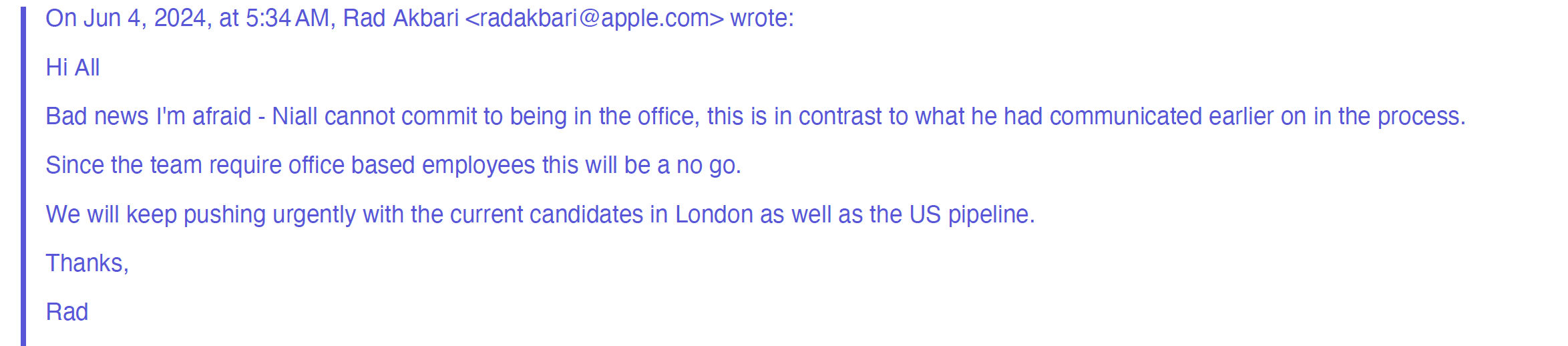
“Bad news I’m afraid… Niall cannot commit to being in the office… Since the team require office based employees this will be a no go.”
No medical context. No mention of disability. Just “cannot commit.” Framing my lifelong disabilities, candidly disclosed, as a commitment issue; and just like that I was tossed by the wayside on an email chain engineered to hire me, after months of resources spent to do so.
That same afternoon, Apple’s own side was already confused; the senior US manager on that thread replied,
“This is very confusing and was counter to his desire to work with team members, which he communicated. He just spoke to Norman yesterday so what changed?”
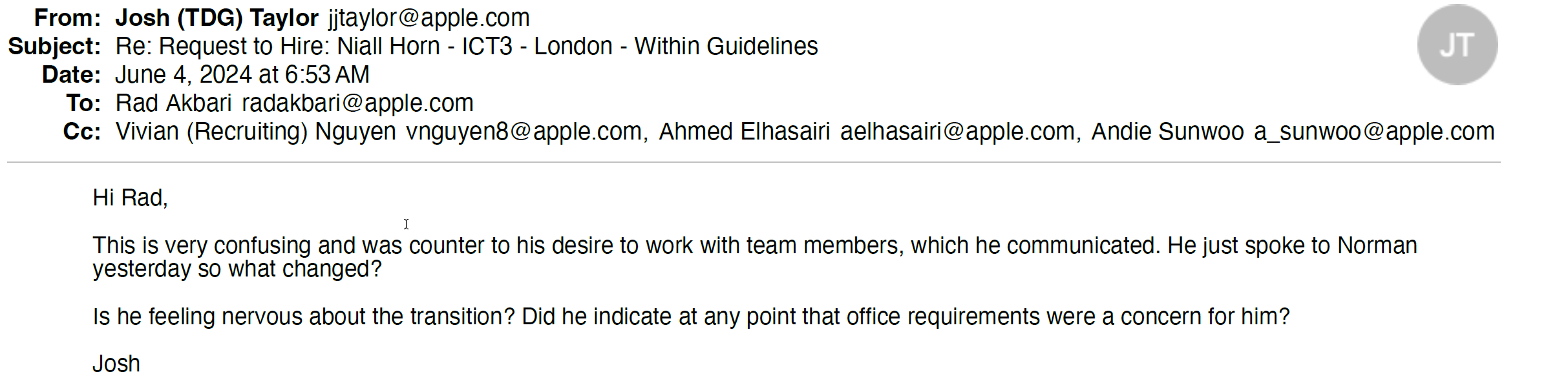
Even Apple’s own team couldn’t answer for the absurdity of the sudden reversal.
From Pre-Offer to Post-Trauma and Preparations For Recorded Capture
I’d suddenly gone from a guy with seven years of experience in the Visual Effects Industry, a Computer Science MSc with my own research project accelerating real-time fluid simulations with Machine Learning and prior jobs in tech to a broadly junior candidate apparently punching above his weight, minutes after being given an a la carte tour of Apple’s highest levels of perks.
Instead I’d been interrogated for disclosing the exact thing every disability charity warns you about disclosing, then measured against an imaginary candidate with 15 years at Meta. So I did what I could do. I called ACAS, the UK’s workplace conciliation service, who advised me to try to resolve it internally first and sent me templates for raising a grievance. I called Scope, a disability charity, who were kind and no help at all. And I wrote my notes. They end, on the recording question, like this: “Granted I did not record this call with Rad, but I will be recording all other calls.”
I knew Rad would call me back the next day; and this time, I would be recording…
5 June 2024 – The Recorded Call From Apple That Changed My Life
On 5 June 2024, I’d spoken to the advisors, I’d spoken to my family, and I knew Rad would call me in what would likely be a difficult conversation. He did, again over WhatsApp.
Yet this time it was not me alone on the call; I was accompanied by my trusty iPad Air 2, recording the entire thing. Rad had no idea.
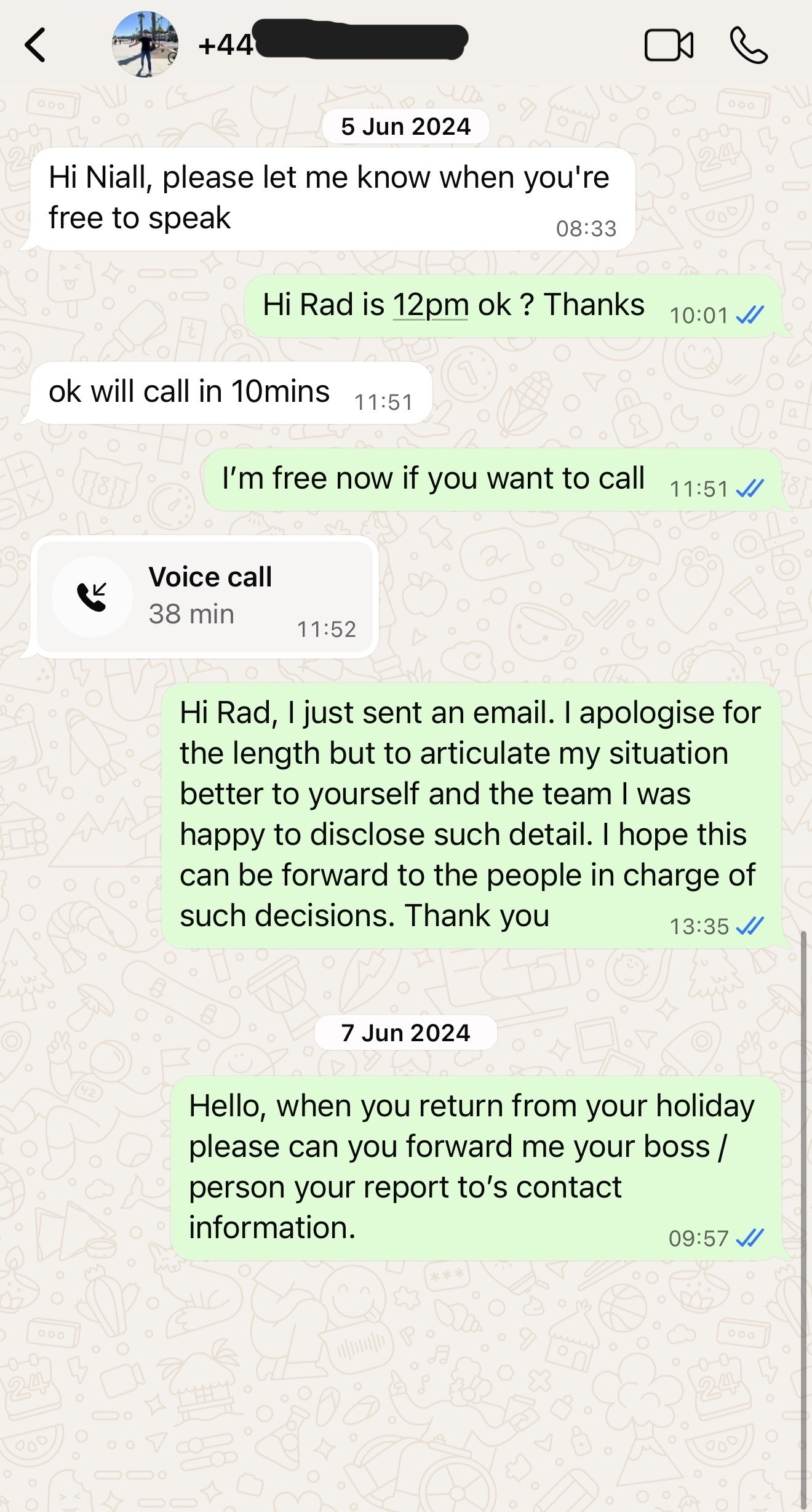
The recording does not warm up. Within the first half-minute, Rad is telling me it was “just not possible” to proceed unless I could attend the office three days a week from day one; a blanket requirement, applied without a moment’s adjustment consideration, which I allege is indirect discrimination under the Equality Act 2010 before the call has cleared its throat. Hear it for yourself, along with what I was actually asking for:
“So listen, I’ve got an update. And the update is, that, it’s just not possible for us to move ahead, uhh, if the individual is unable to come to the office, uhhm 3 days a week. Right.”
“…the team that you’ve interviewed for, they deal with hardware, unreleased hardware, and it makes it impossible for someone to have that at home. It’s literally they’re in a lockdown area…”
“So for that reason, and we tried to find a solution, but it’s just not going to be possible, I’m afraid, unless you are able to go to the office … 3 days a week.”
And my reply, in full, the entire “demand” this article is about:
“Is… Ok, well I have spoken to my family and like some medical people. Uhmm, Is it possible there is any kind of leeway on like initially while I’m, while I’m still in more of a recovery phase? You know, like, could I come down for induction and then maybe do like 1 day a week if that’s possible if I can get down with some sort of support? Uhm, like, would that be possible in the meantime, until I can do a more consistent 3 days a week?”
To be clear: I was never seeking fully remote work (I’ve been there, done that in my visual effects industry days; at 27 I was seeking more engagement, in office). And Apple’s own teams work hybrid; I don’t know of any R&D team that actually works 5 days in office, even now in Summer 2026.
The call is rife with what I allege is Discrimination and Victimisation; Rad’s attitude, beliefs and lack of introspection are too dense to write into a single article. So here are the key highlights, from a senior Talent Acquisition Leader working under Tim Cook for over seven years.
38 Minutes Of End-to-End Narrative Displacement, Ableism and Discrimination
What I was trying to do, for most of those 38 minutes, was explain that adjustment: a gradual office start while the new medication stabilised, with a support worker (should there be a need) in the early weeks to accompany me for the journey, that I offered to pay for myself. That is the entire ask. I was not negotiating remote work; I was negotiating a runway. Instead my story was rewritten, that I was unable to come into the office (at all) which was completely untrue and not what I had said, nor wanted. I told him so to his face, fifteen minutes in: that I was “sad that you’ve changed the story so much in a day” and that it “feels quite disingenuous to be honest” (¶124). His answer gave the whole thing away — “I haven’t changed the story right. The reason why I gave you a call was to pre-qualify certain conditions… the other been to make clear that you still have to come to the office” (¶125). Pre-qualify. Not accommodate, not consider, not ask anyone whether it could be done: check whether I still cleared conditions that had been rewritten overnight. He denied changing the story in the same breath as describing the new one, and a sentence earlier he had said the quiet part too — what the team needs “should we go to offer” (¶123).
The call was hostile, Rad appeared riled up, becoming irate at times, something I didn’t expect.
What Rad was doing was telling me Apple could not accommodate it. He never asked anyone whether Apple could; my adjustment had already been reframed as a commitment problem. And when accommodation came up on the call, this was the entire list of accommodations that existed in Rad’s world:
“So if someone needed extra time or needed a translator, or interpreter or sign language, we would sort all of that out.”
Extra time, a translator, sign language. Every item on his list is help with the interview. Apple will accommodate you all the way up to the moment you become an employee; the job itself, apparently, is not accommodable. He did not invent that list. Apple’s own UK careers accessibility page, live today, is headlined “The best workplace works for all”, declares that “at Apple, we believe accessibility is a fundamental human right”, promises that “accommodations are available upon request to help you fully participate” and that Apple “will work with applicants to make any reasonable accommodations”; its worked examples are sign language interpreters, extra time, and breaks between interviews.
The rest was justification: the product was too secret, the work too locked down, the lab too sensitive for anything but full physical attendance from day one. I have since tested that claim in the most direct way available. All of this despite my never being under an NDA. Across the interviews I had been told:
- New Vision X Headsets were being developed and that I would be working on them.
- The type of algorithms the team were exploring, what had worked and what had failed.
- Discussions about utilising Service Provider Interfaces and Private Frameworks (poorly hidden code) to allow access to run operations on Apple’s Neural Engine (a part of Apple’s silicon chips that is usually reserved for Apple’s own code to use for certain AI related tasks).
- What I would be working on, the scope of my role, and some of the specific tasks.
First, No Cherry Picking — Listen to the Full Audio Recording
I’m not into bias or cherry picking so I have made the full call available, not just soundbites. The entire point is you get the full picture, and in the interest of public disclosure you should have access to the whole call, not just snippets.
Litigation is full of cherry-picking (Apple are experts) so the full recording comes first, start to finish, for listening and downloading. The full call plays and downloads straight from IPFS, through Edge Case Existence’s own gateway with ipfs.io, dweb.link and others behind it; the shorter clips below are served from this site, with the same IPFS ladder behind them should this site ever stop answering.
Unedited, start to finish: nothing cut, levelled or cleaned up. What plays is the original recording, served from IPFS; a smaller copy on this site stands in only if every gateway is down.
And the transcript that goes with it, timecoded to the second. Every ¶ reference in this article points into it, so you can find any line quoted below in the audio yourself:
Before you press play, and listen to the clips below I ask you see this for what it actually is: not just legal evidence, but thirty-eight minutes of what it sounds like to have the dream you worked your whole life for pulled away, in real time, because of disabilities you never chose; disabilities that hinder every day, and have hindered every year, of the life you built anyway. All while you are trying to advocate for yourself, trying to resist yielding to a mutating narrative to try and reframe yourself as a problem, a glitch in the system that needs deleting.
I rose through all of that, ten interviews’ worth, and this call is where it got me: negotiating, politely, not to stay at home, but for enough support to get through Apple’s front door. The law calls that a reasonable adjustment request. Older language would call it what it is: asking to be treated as an equal or common decency, something you’d think we wouldn’t need laws for, certainly not at Apple.
My Reasonable Adjustments, Compared to Dog Sitting
“…if someone’s reason is similar to yours or if someone’s reason is ‘hey I just need to babysit’ or ‘dogsit’, whatever…”
That is Rad. For the record: Rad had no idea I had a dog, and while she is awesome, I was not looking for dogsitting, or babysitting for that matter. I was asking for a phased start into the office while new medication settled. Dogsitting was his hypothetical, not my request. (Lucy is excellent, though. She has never once required me to decline a job at Apple.) I told him so, on the call:
“I find it a little bit offensive that you’re kinda comparing my situation to someone who wants to sit at home and dogsit.”
His response to being told that, verbatim:
“I’m not saying, I’m just saying everyone has various different reasons, some medical, some disability, some for whatever reason.”
Not a withdrawal; a restatement, with “disability” filed between “medical” and “whatever reason”. That filing system is not about me. It is where every candidate like me gets filed. Two years on, nobody from Apple has ever explained either sentence. Nobody has had to. His LinkedIn profile, today, lists among his own responsibilities:
- “Driving diversity and inclusion initiatives across the organisation”
- “Continuously improving inclusive assessment plans”
- “Maintaining industry leading candidate experience”
- “Partnering with third party vendors on Immigration, Relocation and Real Estate planning”
Inclusive assessment plans. Candidate experience. And relocation, which Apple proved able to arrange for the person hired in my place.
A Freudian Slip: “Your offer and your contract”
Apple’s position, maintained in writing to two courts, is that no job offer ever existed. Rad, twice, on this call:
“I didn’t say you had an offer coming up. I said we’re discussing it to make a decision on your offer.”
And the second time, in an exchange worth reading whole:
Me: “You said you were just waiting to hear from Norman and then you were going to call me back. And then obviously I disclosed my situation and then everything changed.”
Rad: “Yeah… Yes, but Niall, that’s also an important piece, right, you not being able to come to the office, that’s something that… we’re not … your offer and your contract require you to be in the office.”
Me: “But the job is based on my ability, not my disability, you know.”
Rad: “We’re not accounting your disability.”
Me: “Well that’s part of the problem, you know.”
Rad: “The job is also about your ability to essentially come into the workplace.”
Read his first two words back. I put the timeline to him, disclosure, then everything changed, and he said “Yeah… Yes” before he found the “but.” Then the slip: your offer, your contract. His words, unprompted, on a call he did not know was being recorded. I allege the obvious: you do not tell a candidate what his offer and his contract require if there is no offer and no contract. And “we’re not accounting your disability” may be the only sentence on the whole recording I have never once disagreed with.
“Exactly” — Rad Confirms How Close the Offer Was
The final interview, on 3 June 2024, had been with Norman Wang, Apple’s Director of Engineering for visionOS and RealityKit, inside the Vision Products Group I was joining. (A note on titles: Rad described Norman to me as a Vice President, and that is how he appears in my case papers; his title is Director of Engineering, heading the engineering of RealityKit, the framework everything on visionOS is built on. Whatever the label, this is the altitude where hires are decided.) Hold that name; he returns in 2026.
“Yesterday… your exact words to me yesterday were ‘You wouldn’t be speaking to Norman, if we weren’t close to making an offer.’”
“Exactly. But you’re not the only person that’s spoken to Norman.”
“Your feedback is positive, that hasn’t changed since yesterday. Have we made an official offer to you, no we have not.”
Positive feedback, unchanged, the day after my disclosure. The only thing that changed between “offer in 24 to 48 hours” and “no go” was that Apple learned I was disabled.
“You’re not the only person that’s spoken to Norman”
The second half of that line is true, as far as it goes. Three of us reached the final stage, and I was not the only one who had spoken to Norman. What it leaves out is where I stood among them.
The hiring manager’s own witness statement puts the role at 389 applications. Three of us came out the other end. Of those three, Apple’s own paperwork had me as the preferred hire, with an offer proposal being drafted the day before. Then I disclosed my disabilities, and I was withdrawn. Being one of three is not the same as being interchangeable with the other two, and Rad knew which of those he was implying.
Apple filled the role by relocating someone into the UK from Finland, and then accepted roughly four months before that person was consistently attending the office. That is not my characterisation; it is what the hiring manager says in Apple’s own witness statement. I had asked for a few weeks.
So the rule that ended my candidacy, three days a week from day one with no adjustment possible, was not the rule Apple applied to the person it hired instead. It could not find a few weeks of runway for its preferred candidate, already living here and offering to pay for his own support worker. It could move his replacement across Europe and wait four months for him to turn up consistently.
And I was already here. I would have been a UK taxpayer, in a job built in London, contributing to my own country. Instead I have spent the two years since on disability benefits, litigating against the company that withdrew it.
“The disability piece doesn’t come into the decision making”
“Niall, Niall. Again, I want to make it very clear. We are not… The disability piece doesn’t come into the decision making, right.”
Three minutes later, on the same call, he admits he withheld my disability information from the decision-makers because he considered it “not relevant” (¶77). If disability did not come into the decision, there was nothing to withhold. If there was something to withhold, it came into the decision. He said both, inside one phone call.
Two paragraphs after the first of those comes the sentence that turns my case into everyone’s case:
“We say this to every candidate, you have to come into the office, because this role requires you to be physically in the office.”
Every candidate. Every autistic applicant, every ADHD applicant, everyone whose condition needs a few weeks of runway, meets that same sentence at that same gateway, and he runs the gateway for a continent. And the reason a phased start was impossible, for a company then worth around three trillion dollars, verbatim: “there’s a lot of whoo-har about this product.” The whoo-har.
It has now been two years and two months, Rad. The whoo-har continues. I have still never signed an NDA.
“We wouldn’t have gone ahead with the interviews”
From the opening minutes:
“And nowhere in the interview process were we told by you that you wouldn’t be able to come to the office. Had we had, we wouldn’t have gone ahead with the interviews.”
The premise is false. Apple knew I was disabled from day one. I disclosed that I am autistic at the start of the process, and disclosed the ADHD diagnosis as soon as I received it, during the final weeks of interviewing. None of that was news on 4 June 2024, and none of it stopped Apple running me through ten interviews and preparing an offer.
What was new that day was not the disability. It was the detail: how these conditions actually affect me day to day, and that because of them I would need one adjustment. And Rad, who had run my pipeline from the start and was copied in on the email chains throughout, gives every impression on this recording of not having known any of it.
The thing I “wouldn’t be able to do” was his framing, not mine; I had asked for a phased start into the same office. But take the sentence on its own terms: Rad confirming, on the recording, that if my disability-driven need had surfaced earlier, there would have been no interviews at all.
“We’re not even disclosing” — What Was Already Disclosed
How did my adjustment request actually reach the team that decided? In Rad’s own words:
“…we’re not even disclosing, like I said, not even disclosing why you can’t come to the office, we’re like ‘Hey, is this an option for your team’, and it’s hard knowing exactly what they work on it’s a hard no.”
Strip out the disability. Strip out the medical reason. Reduce a legal duty to a context-free logistics question; collect the “hard no”; report it back as a decision. That is the machine, described by its operator, and it is not built for me specifically. It is what happens to every adjustment request that reaches his desk from anyone like me.
The disclosure ran the other way too, and freely. Over ten interviews Apple had already told me that new Vision X headsets were in development and that I would be working on them; which algorithms the team had tried, which had worked and which had failed; how they were getting at Apple’s Neural Engine through private frameworks; whose seat I was filling; and the specific tasks waiting for me. I knew about the prototype hardware, and I knew why the room was locked, because Apple had explained it to me. All of that went to an outside candidate who had signed nothing.
So the secrecy was never the constraint it was presented as. Apple was willing to disclose its unreleased roadmap to me, and unwilling to disclose one sentence about my health to the colleagues deciding my future. It is a strange kind of confidentiality that runs in exactly the direction that costs me the job.
And here is what the machine stripped out, in my case:
“But, I am able to possibly come to the office, with support. Like obviously yesterday when I first spoke to you, I didn’t know if that was going to be possible, but there is some like, as embarrassing as it is for me as a 27-year old man to say this, that you know I can have a care-worker come with me initially or they won’t even need to be in the office, they can just be nearby in London or whatnot.”
“And if that’s what it takes to do for the first week or the first two weeks or even a month, I’ll just pay that myself, because this job means so much to me.”
Rad’s reply, in full: “I understand that, but can I just … again can I just be clear that we haven’t extended… we haven’t even made a decision that want to offer you yet” (¶175). A man offers to pay for his own care worker, names his own embarrassment out loud to get the job he has already earned, and the answer is a talking point. Hold onto that sentence about no decision to offer, though. You have already heard its twin.
The Statements In Totality Contradict One Another, Multiple Times Over
Put Rad’s positions together and the system is over-constrained; no solution exists. Disclose your disability early, and by his own words the interviews never happen, you’d be culled. Disclose late, and your honesty is congratulated and prosecuted inside the same minute.
There is no timing at which any disabled candidate could disclose correctly; that is not a trap built for me, it is the trap every one of us stands in front of.
I disclosed for one reason: To be a good and honest person. I had no legal obligation to disclose the specific details of my adjustments until I had signed my contract.
Then count the reversals, because every position on this call has its opposite on the same call:
- I have been honest: “you’ve been very upfront with us, right, and I appreciate that” (¶54); one minute later, “Did you mention this to us earlier in the process?” (¶62).
- The reason does not matter: “The reasoning doesn’t matter, almost right” (¶51), “it doesn’t matter what the reason is” (¶138); I answered “Well, it does” (¶52), and “But It should matter though, shouldn’t it?” (¶139).
- Everyone gets the same rule: “We say this to every candidate” (¶73); except “even if someone says ‘Absolutely, we can do full remote’” (¶234).
- Disclosing earlier would have changed nothing: “we would say exactly the same thing to you” (¶142); disclosing later would have changed everything: “it doesn’t necessarily mean we’d go down the same route right” (¶252).
- And the crown of it, the slip the whole lawsuit now orbits: “we haven’t even made a decision that want to offer you yet” (¶175), from the same man, on the same call, who said “your offer and your contract require you to be in the office” (¶110).
And through the whole 38 minutes, the same engineering move on repeat: separate. The disability from the person: “the disability piece doesn’t come into the decision making”, from the man withholding it as “not relevant.” The requirement from its medical cause: not the medical reasons, just the office; when the office attendance was the medical reason. The offer from the promise of it: “I didn’t say you had an offer coming up”, from the man who had said 24 to 48 hours the day before. Three separations, one purpose: so Apple could later say “no offer” and “disability didn’t factor” with a straight face.
Across 38 minutes, Rad says “the individual” or “individuals” twenty-six times. Twice, when he uses my actual name, it comes out as “Neil”. The transcript’s only two stage directions are [Shouting] and [Laughing]; both are his. This is a guy CC’d on tens if not hundreds of unique emails during my near 3 month recruitment into Apple’s visionOS R&D team in 2024, yet he doesn’t even know how to pronounce my name properly.
The premise underneath is that my disability is a detachable module. It is not. Autism, ADHD, dyspraxia are not accessories I carry; they are the substrate I run on, the brain that did the engineering Apple spent three months interviewing. I’m a one in one thousand case (0.1%) of individuals diagnosed with XYY syndrome (also known as Jacobs syndrome), which means every cell in my body has an extra Y Chromosome, this alone defines the chemical building blocks for a life of difference, and struggle from the first cell division, to 27 years later on this phone call.
You cannot separate the disability from the person. Rad spent 38 minutes trying, and the attempt is the recording.
And one more thing the recording holds: the ending. No slammed phone, no threats. Me, thanking him for his time; Rad, saying “Ok, right, it does make sense and I hear you”, then “let me go, have a conversation see what can come back” (¶265, ¶267). It was the second time in two days he had promised to carry my words somewhere.
After this the disclosure goes dark. Apple refused to disclose any further internal discussions citing ‘Legal Privilege’ over two and a half months before I had even filed my lawsuit against them. That tells me all I need to know, but I ask that you infer as you see fit.
Why Not Share This Sooner?
Surely if I have smoking gun evidence of discrimination from one of Apple’s most senior talent acquisition leads, why sit on it?
Up to now, to anyone reading online, I have been a man making a claim. A disabled engineer saying Apple discriminated against him, saying he was about to be offered a job Apple insists never existed. I have shown fragments, mostly an email or two, and asked people to take the rest on trust. That is the weakest position a person can argue from, and I have argued from it for two years. This article is the moment that ends. You are no longer being asked to believe me. You are being handed the recording, the documents, the judgment, and Apple’s own video, and asked only to check.
In my first public blog post about this in April I wrote only that a covert recording existed and that it “will be distressing”; I still believed the right room for it was a courtroom, specifically the UK Employment Tribunal, where I knew it would be played aloud in the speaker system while I cross-examined their witnesses. This goes back to my core approach, one of fairness; from the start I kept giving Apple room to resolve this decently: ACAS, the tribunal, settlement attempts (that included a joint drafted statement), an open letter to both chief executives.
And I nearly had that courtroom. The final hearing reached its first morning in April 2026, after a pitiful attempt by Apple to pay me off which I declined, and one day of a public hearing, after witness statements and evidence were read by the judge and at the exact moment Apple’s first witness was about to be cross-examined.
Apple leveraged their playbook of legal exploitation, and secured a mediation process that has pushed the formal litigation of this case back to October 2027, knowing the attrition it would cause to someone who had finally reached their chance at fair justice for both sides. Apple told me, and the UK justice system, that a settlement including a public apology would be drafted, citing they were waking up staff in California to draft it. After 16 April 2026, Apple never delivered it.
The recording is not leaked, it’s my own, it existed before the case, It was even raised by Apple’s lawyers in public on 15 April 2026 in London. But I believe Apple’s fear has tried, once again, to hide it from receiving public release. Until now.
But You Needed To Work In The Office Right?
This is a core defence of Apple’s, and it’s a common point; I mean heck, Rad said it multiple times (albeit in various different ways, changing his story for exactly why Apple needed me in the office). But the office requirement was never the issue, because Rad himself told me, on the recorded call, that the Persona team worked hybrid: three days in office, two days at home.
I was asking for a gradual scale up from one day in office to three.
And here is the more absurd part. On 4 June 2024 Rad told me about the perk that runs across Apple, where engineers can work from anywhere in the world for four weeks a year. Apple’s own witness evidence has since confirmed it. How is that possible if being beside onsite prototype hardware is a consistent requirement of the job?
But I didn’t want to work remote, I’ve been there, done that as noted. I’ve had the pleasure of working for some amazing companies in the visual effects industry who accommodated me when I was a teenager and into my early twenties where I was fully remote, enabling me to work on over 15 films, TV shows and commercials. However, it gets very lonely, and after COVID I’m sure others can see why. Yet, this job was my chance to get there, with the support I thought Apple, and people like Rad, would give; people with the values Tim Cook claims to have instilled into Apple as a company. Alas, they are not pillars, they are not principles and they are not beliefs the second you go from being useful for marketing to an inconvenience.
And the secrecy? Apple’s own witness evidence admits the prototype hardware (Vision Pro/Vision X) does get taken out of the office, and that no log exists of who has taken prototype hardware out or where it went that could be disclosed. Even if I had been seeking remote work, It also admits the team worked fully remote during COVID (like the majority of the planet), and that some individuals on the team work fully remotely today (which, again, is not what I was asking for).
Even The Technical Statements Make No Sense
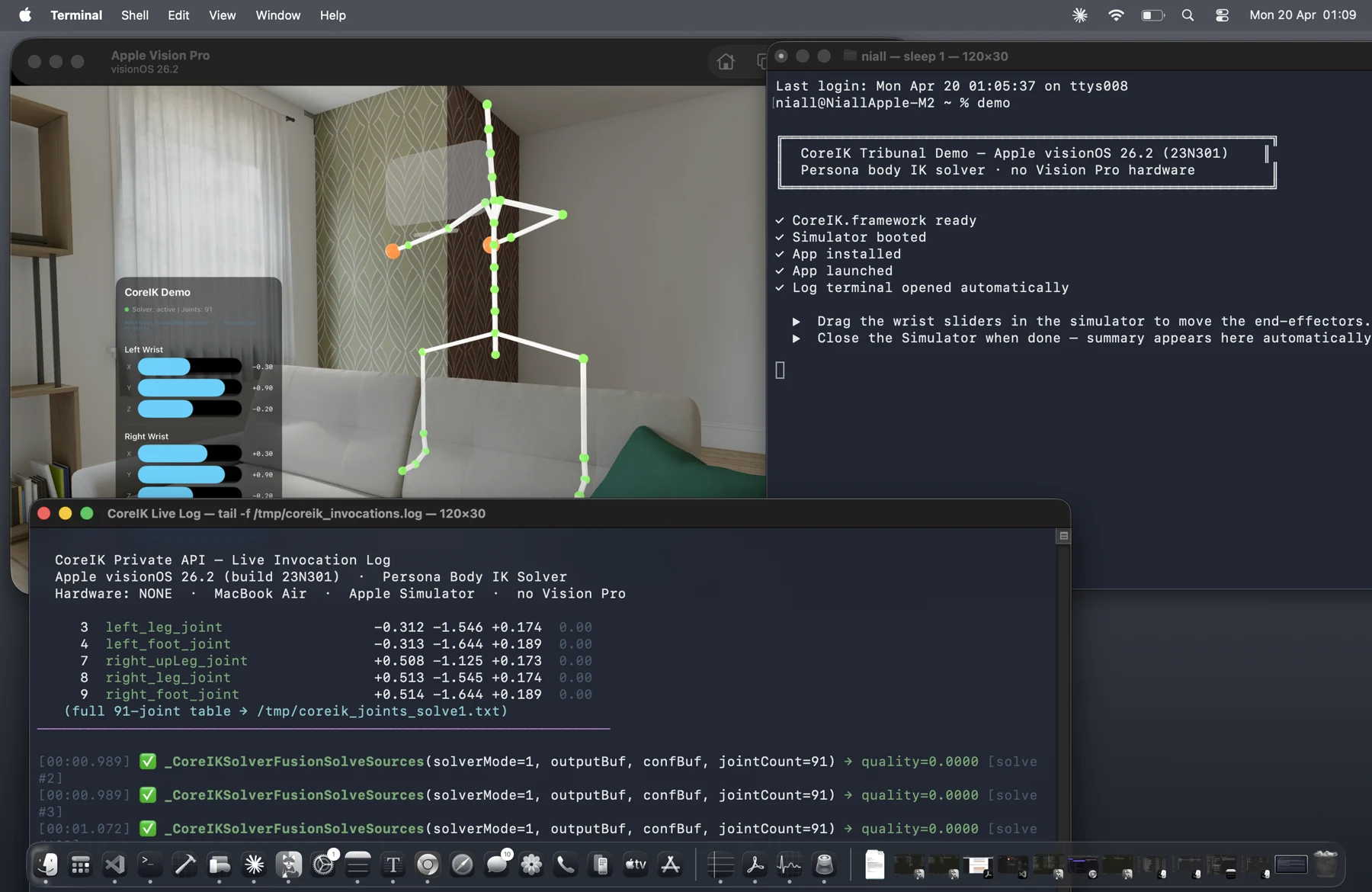
Two years later, in June 2026, I reverse-engineered CoreIK, which is a core ‘Framework’ behind visionOS’s Persona’s core body-tracking pipeline, the exact system Apple’s own hiring paperwork assigned me to, all done from Apple’s own publicly distributed simulator, on a used Mac Mini, at a desk in my rented flat in North Yorkshire, 254 miles away from Apple’s Windowless Lab. I used Apple’s own code, with no need for the headset attached, no lab, no badge. For those interested, the full technical write-up has been public on this site since June.
The picture below is that work running: CoreIK, the engine behind Persona, solving a full 91-joint body pose inside Apple’s own visionOS simulator, driven by the two wrist sliders on the left, with no Vision Pro attached to it at all.
- Prototype hardware used
- None
- Vision Pro headsets owned
- None — I don’t own one
- Lab access, badge, NDA
- None
- Distance from Apple’s London lab
- 254 miles
- Code used
- Apple’s own, publicly distributed
Now, what does that actually prove? It does not prove the whole job could be done from my sofa; hardware testing is real, and this was never a question I needed answering, as a guy wanting to integrate with whom I thought would be my future colleagues. Instead, what it proves is that the primary component of this work never needed the locked room, because I did it, from outside the building, on a used Mac Mini, with less access than a new hire gets on day one.
A phased start only ever needed that much to be true: some weeks where the desk work leads. “Just not possible”, Rad said. Well.
The code is public; if you’re into that, feel free to run it yourself, open source from my GitLab repo.
What Apple Told the UK Justice System
It’s no secret that these legal cases continue within the UK Justice System. I believe it’s quite clear that this article does not assert a judicial finding for any UK legal forum. I do however genuinely believe that Apple is terrified of the case entering the court room, and this call is just one piece of evidence among others.
For clarity:
- The Employment Tribunal claim continues, with its full hearing listed for October 2027, 18 months after it was supposed to be heard in full and final public liability, after an already 22 month wait for myself.
- The High Court Case continues in October 2026.
Apple Made Sure Rad Would Never Be Cross-Examined
Apple did not want Rad in a witness box. Not after my call had been disclosed. I’d spent months planning to tear his statements apart, and I would never get the chance because Apple never called him; Rad filed no witness statement at all, and Apple’s skeleton argument dismissed him as “just a messenger”.
So in early 2026, I applied for a witness order to compel his attendance; Apple resisted it, and the judge refused it given what Apple put on the record instead. At our second preliminary hearing on 19 March 2026 (exactly one week after we got back from the High Court), Apple, in its own skeleton argument, stated that: “no dispute of fact about what C [the Claimant] says Mr Akbari did or did not say during either of those calls.”
I note the — “either of those calls”. Not just the recorded one you have listened to above; the unrecorded 4 June call too, the one where my offer was 24 to 48 hours away. Apple does not dispute a word of any of it. It just made sure the man who said it would never have to answer for it under oath in a public forum with his own words played back to him.
And one note on “just a messenger”, since that is Apple’s chosen frame for him: the message I gave Rad was a disability disclosure with a medical reason attached. The message he delivered to the team was “cannot commit”, with both removed. Messengers do not get to rewrite the message.
Why is the Case In the UK High Court for Alleged Contempt of Court?
In simple terms: because of the juxtaposition above. Apple’s own internal documents state that an “offer is in guidelines” and link my background in the Visual Effects industry, R&D, and my MSc to the internal tasks I was going to be assigned. Those documents cannot live in the same universe as a sworn “no offer ever existed”. Knowingly telling a court something your own records contradict is what contempt of court proceedings exist for; that is what I applied for, and that application is live.
Apple’s internal “Request to Hire: Niall Horn”, disclosed to me unredacted. It names me. Its opening section links my time at Industrial Light & Magic on physics-simulation work and my Master’s dissertation to the exact tasks I would be assigned, down to the joint in Apple’s own deep R&D for Persona’s body tracking and animation team.
This includes details on — Supporting CoreIK convergence for the shoulder, extending the Persona body fusion pipeline to elbows and the lower body, stabilising torso and hip anchoring, then Persona 2.0 and “directable characters” for Apple TV+. It has my level, my building, whose seat I was filling, a compensation section scaffolded and waiting, with the offer “in guidelines” and the exact figures still listed as TBD, and the team’s written verdict: “Niall is a good hire and fit for the team.”
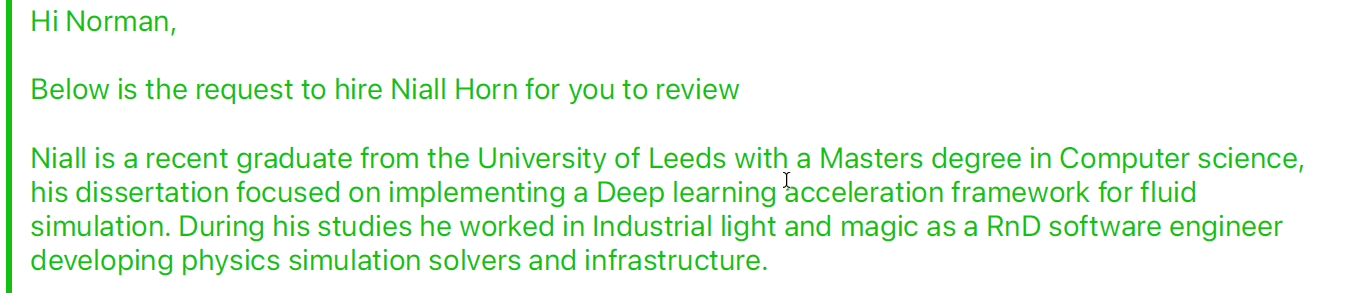

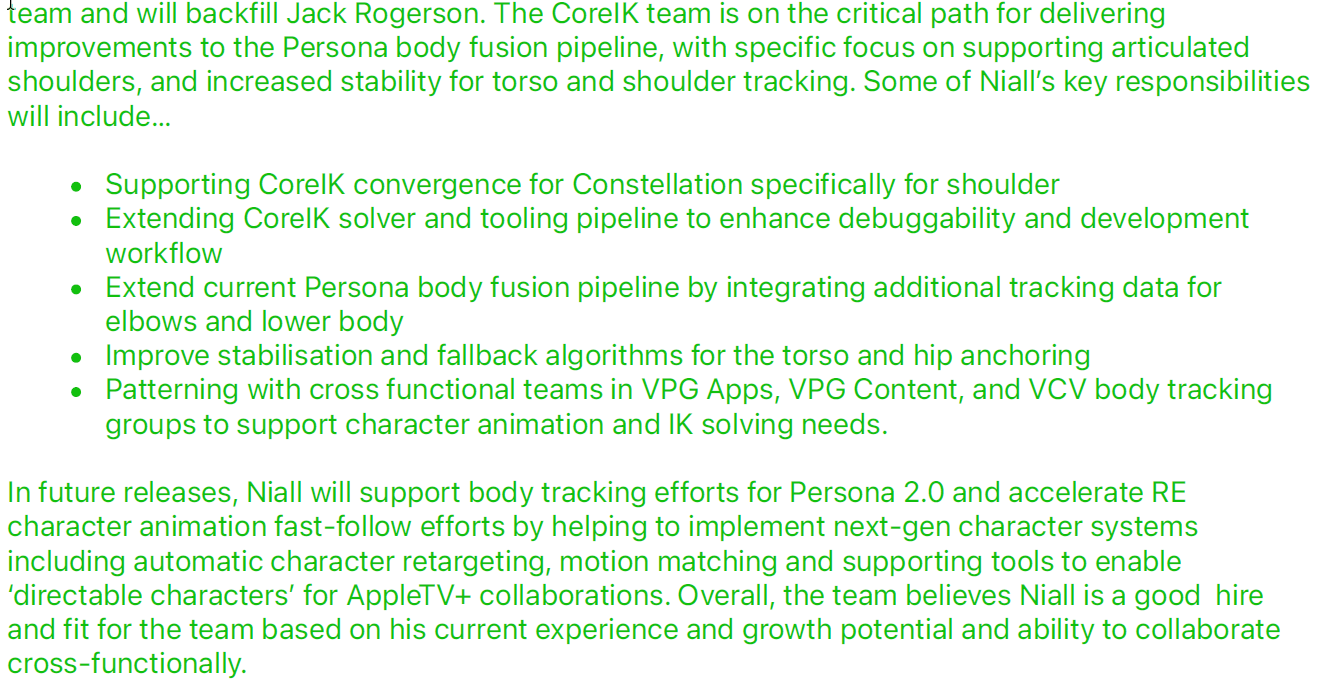
Bespoke enough, in fact, to build from: the pipeline that page assigns me is the same one I later reverse-engineered and published from the outside, on a used Mac Mini. The work was real enough to do; only the job, Apple tells the courts, was never even decided.
So here is my genuine question: how bespoke does a pre-offer document have to be before “no decision was made” stops being a sentence a lawyer can write with a straight face? That, in the end, is what my contempt application asks and I cannot answer that, only a King’s Bench Division judge can.
Apple Tried to Get The Case Struck Out
As written about previously, and as myself, Epic Games and OpenAI are all too familiar with, Apple loves preliminary injunctions and strike outs. It is attritional warfare at its finest, and Apple has certainly mastered it, granted I am one man, battling lifelong disabilities in the pursuit of justice; alas, Apple’s lawyers see me the same, it’s nice to see some level of equality, selectively perhaps.
Directions regarding this case had already been given for my application to be heard. In Mr Justice Mansfield’s own words: “What in fact happened instead is that Apple made an application to strike out the committal proceedings.” This means that in my case, rather than filing witness evidence to defend my contempt allegations, Apple chose to file a ‘Strike Out’ application, such that if successful the court would dispose of my permission to seek a hearing against the alleged contempt of court.
On 12 March 2026, my mother and I attended London. I stood in the Royal Courts of Justice in London next to King’s Counsel barrister, Mr Nicholas Siddall who has been practicing law for the entire duration of my life (29 years). It was surreal, going from an engineer, who managed to escape from my disabilities in a field that I love, building next generation simulation tech, to sitting just meters away from a barrister Apple paid £24,000 GBP for (just for this hearing alone) to try and defeat my lawful application to the UK Justice System.
The approved judgment from the strike-out hearing, Mr Justice Mansfield’s reasons, is published as citable case law, [2026] EWHC 1809 (KB), you can read the full judgment online.
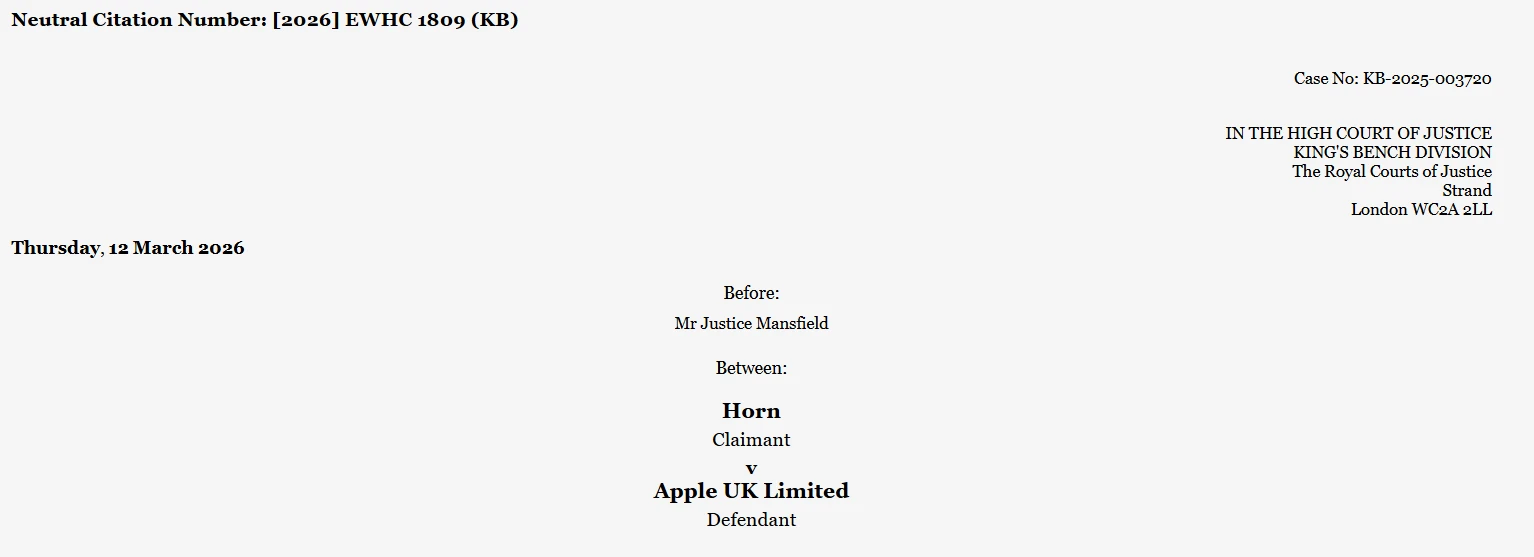
Apple did not get its strike out. Instead the applications were stayed and the case continues.
Apple will face both the UK Employment Tribunal and the UK High Court about the matters discussed here, where it will eventually be judicially decided if they committed the acts I allege.
In Tim Cook’s Sunset, Apple Have Learnt Their Lesson, Right…?
Tim Cook, who (apparently) has a portrait of the legendary Dr Martin Luther King next to his workstation, is leaving office and handing over to John Ternus in September. Surely his Apple has learnt its lesson after this? Surely the culture inside Apple is one of acceptance and understanding of neurodivergence, autism, ADHD and other ‘invisible’ disabilities (which are not very invisible unless you look away from them)?
But no. It’s still going on.
At WWDC 2026, Apple’s large conference where they reveal exciting new features and tech heading our way (sometimes). Still being a huge fan of Apple’s tech, and interested to see the progress of the tech I would have been working on, I joined Apple’s visionOS and Accessibility Developer Lab Group Sessions, under my own name, to ask about the tech I’d have been working on and Apple’s position on accessibility. I wanted to see: was there change I wasn’t seeing? Granted, I knew it was a long shot; surely they’d ban the guy suing them in two UK courts?
Nope. They let me join both.
WWDC26 visionOS Lab Session
In the visionOS Lab I asked whether Apple would expose more of Persona’s underlying frameworks, PersonaKit and CoreIK, to developers, “particularly for accessibility focused telepresence apps for disabled users working in hybrid environments.” The question reached the top of the upvote queue and was asked.
visionOS Group Lab, WWDC 2026, 9 June 2026. My question is read out at 53:28; the panel answers in turn, and Norman Wang speaks from 54:28.
developer.apple.com — session 8004, from 53:25
YouTube — my question, 53:28 ·
YouTube — Wang’s answer, 54:28
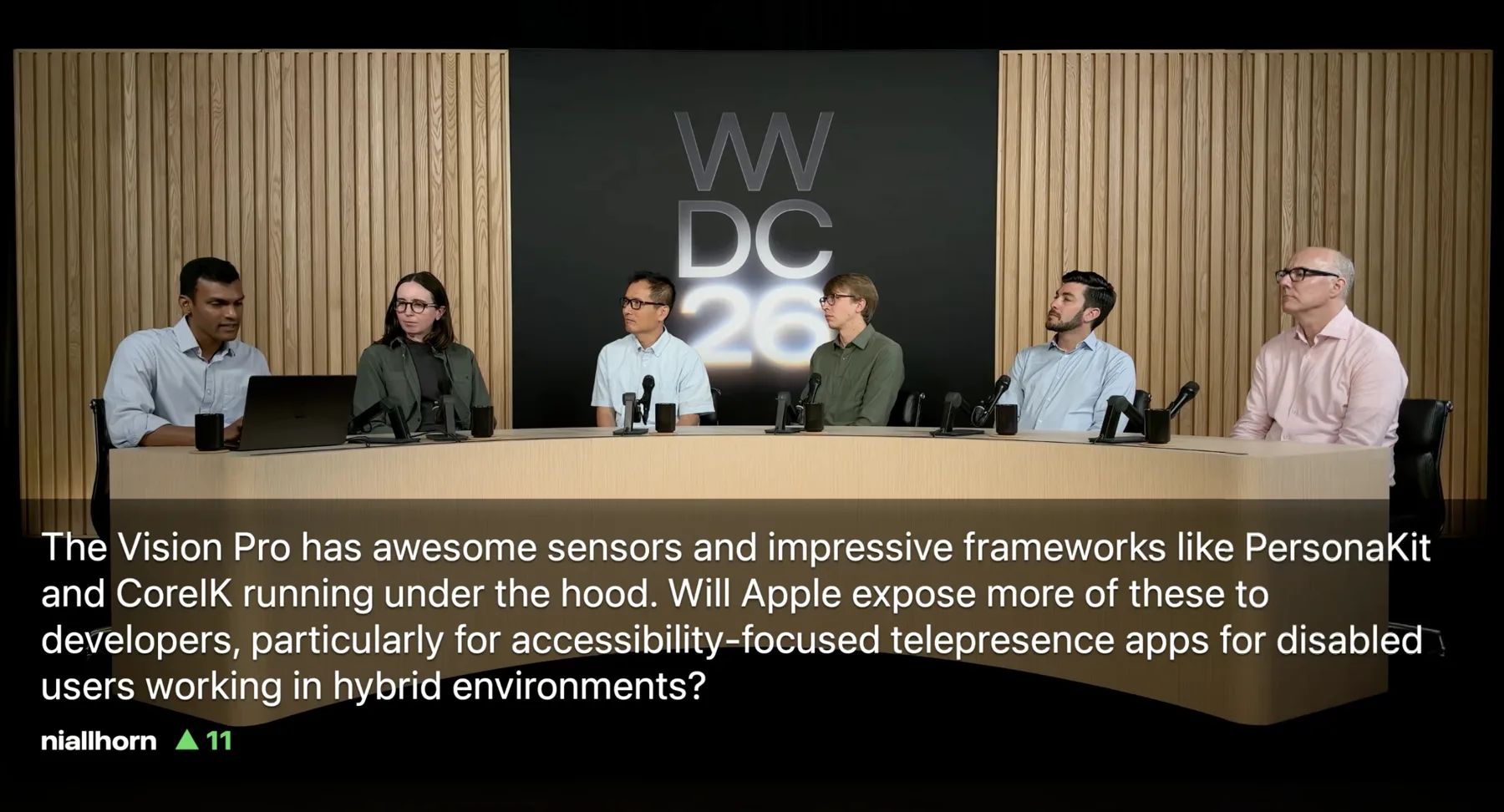
On the panel that night: Norman Wang, the man who had interviewed me on 3 June 2024, the tenth interview and final gateway before my offer; on the recording, in words Rad confirmed: “You wouldn’t be speaking to Norman, if we weren’t close to making an offer” (¶182, “Exactly”, ¶183). He is also the man I emailed on 6 June 2024 to appeal the withdrawal; Norman ignored my plea for help. I had no idea Norman would be on the panel, I don’t believe the panelists were announced beforehand.
The panelist speaking before him had been making the case for Vision Pro as an accessibility platform: it “has a lot to say there, a lot of capabilities that could be brought into being by developers or ourselves… so yeah, definitely give that feedback.” He finished at 54:27. This is what Norman Wang said next, verbatim from Apple’s own video:
“Yeah, some of our accessibility even benefit normal person like me,”
[laughter]
“you know, with the magnifying glass being able to give me the superpower to be able to read.”
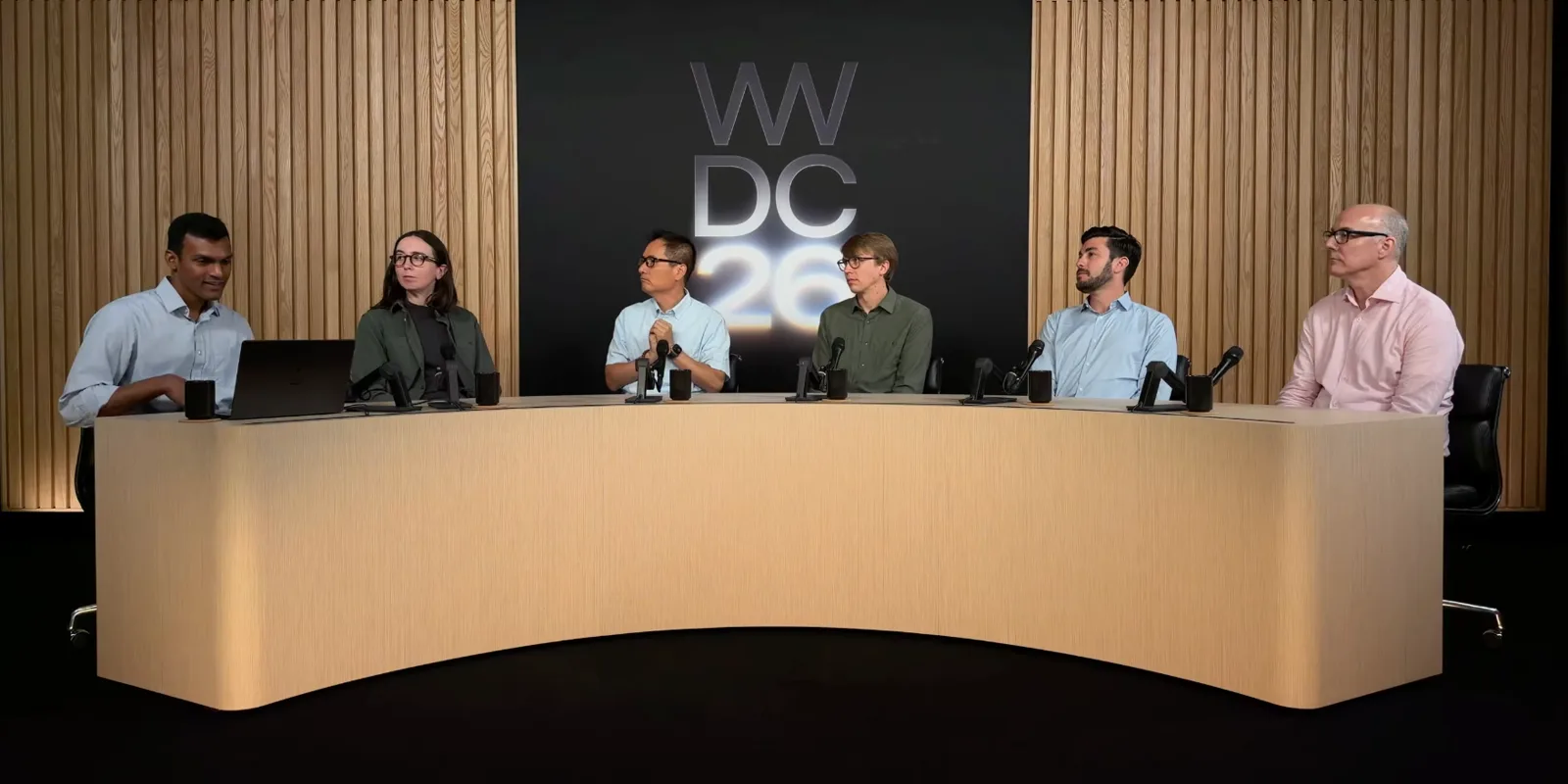
“Normal person like me”
In answer to a question specifically about disabled users, from the man who leads engineering for visionOS and RealityKit, the very frameworks Persona runs on; the man whose final interview stood between me and the Persona role. He had just shown his true colours; the same six colours of Apple’s old rainbow logo, embedded systemically within Apple, separating what they define as ‘Normal’ from people like me.
Norman interviewed me before I had disclosed anything other than the existence of my disabilities back in 2024, and rated me highly, leading to my offer process to begin. The “bad news” thread the next day did not even include him. What 2026 shows is not what Norman did; it is how the altitude that decides who gets hired talks about people like me when it thinks the question is routine.
The Insult: Neurodivergence as an Accessibility Need
While Norman’s response says, to me, everything about how Apple’s engineering leadership conceptualises disability (he compares himself directly to the disabled users the question was about), the first panelist had given the standard we-don’t-preannounce line. Another steered to wheelchair features, “truly restore mobility,” as if mobility were a new topic; my question was already about mobility, the digital kind.
I have a deep level of respect, and shared suffering with all types of disability, but for a question about this type of accessibility regarding neurodivergent people to be steered back to physical disabilities and wheelchairs, showed the reduced subspace Apple seems to believe that disability really exists within.
WWDC26 Accessibility Lab Session
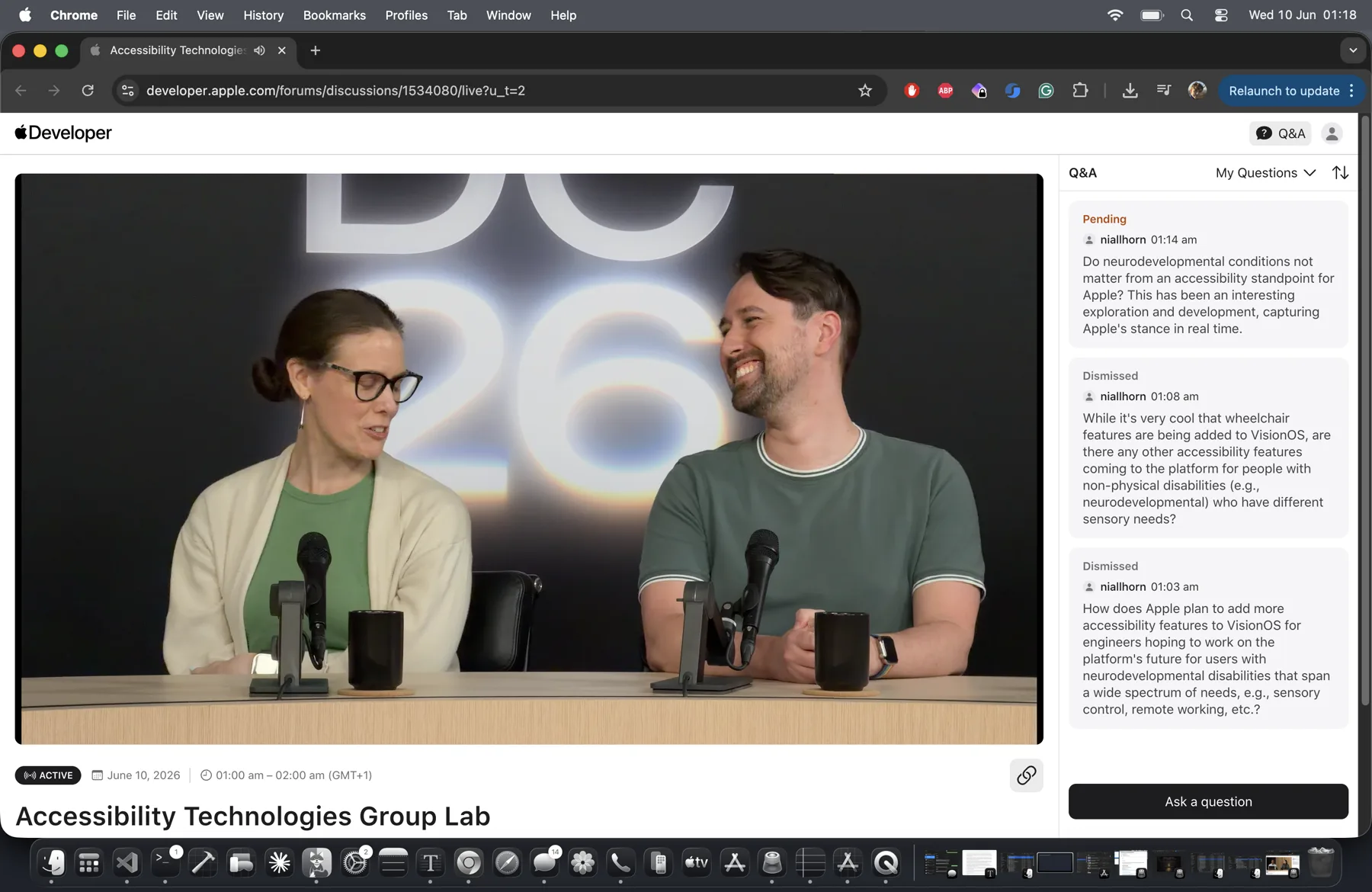
Ninety minutes later, at Apple’s Accessibility Technologies Group Lab, same night, same name, I asked two substantive questions about visionOS accessibility for neurodevelopmental disabilities. They were not merely left unanswered. Apple’s own Q&A system marked both of them Dismissed.
One had asked, at 01:03, how Apple planned to add accessibility features “for users with neurodevelopmental disabilities that span a wide spectrum of needs, e.g., sensory control, remote working”. The other, at 01:08, noted that “it’s very cool that wheelchair features are being added” and asked whether anything was coming “for people with non-physical disabilities (e.g., neurodevelopmental) who have different sensory needs”. Dismissed, and dismissed.
So at 01:14 I asked the only question left to ask: “Do neurodevelopmental conditions not matter from an accessibility standpoint for Apple? This has been an interesting exploration and development, capturing Apple’s stance in real time.” That one was never dismissed and never answered. It sat there marked Pending, and it was still pending when I left the session shortly afterwards. The question about disabled users that did get answered that night is the one you have just read. Sickly ironic was the phrase I used at the time, and I stand by it.
The Pattern – Perpetual Discrimination
To me the pattern is clear, what is visible, what sells well, what can be branded? And in Apple’s mental model, disability photographs as a motorised wheelchair. Wheelchairs are visible; they demo well in a keynote. The invisible disabilities, the ones Rad compared to dog-sitting, do not register at all.
Here is the answer the panel never gave. Who is Persona-style embodied telepresence actually for?
- Disabled people who cannot easily travel to an office.
- Neurodivergent people for whom the office is sensory and social overload.
- People whose mobility is impaired.
- People who are immunocompromised.
- People with agoraphobia or social anxiety.
- People with chronic illness whose capacity to attend fluctuates week to week.
I am several entries on that list myself.
Persona is not adjacent to accessibility; it is accessibility: presence for everyone whose presence is the very thing their condition taxes. Nobody on that panel, including the man who heads engineering for the frameworks it runs on, made that connection. It was the entire question, and I was the engineer who would have helped make it a reality. That was, quite literally, the job, and my lived experience was the product’s missing spec sheet.
A Good and Decent Company
A recruiter’s call might be one bad apple. A recruiting decision in London in 2024, an engineering director’s mental model in California over two years later, and a moderation pattern in between: that is a rotten core; quite poignant, given my developer organisation name, and OpenAI’s recent filing.
The saddest part: these are senior, long-standing members of Apple, the people who embed its values within it. Rad Akbari remains Apple’s Talent Acquisition Leader for EMEA Tech (R&D). Norman Wang remains Apple’s Director of Engineering for visionOS and RealityKit. Neither has ever had to answer for any of this under oath, and both of them served their entire Apple careers under Tim Cook’s leadership.
I never wanted to be Apple’s adversary; I looked up to Apple, and I admired Tim’s bravery with his 2014 quote:
“We pave the sunlit path toward justice together, brick by brick. This is my brick.”
This isn’t justice. Tim, in his ‘leadership’ of Apple, has done anything but pursue justice. It turns out that standing out from the crowd is a bug, not a feature, unless you’re a C-Level.
I know what these attitudes cost, because I have paid it: two years of this litigation have come with a documented decline in my health and the destruction of any trajectory I had left. But this is not an isolated case, and it’s most certainly not isolated conduct.
The fear every disabled candidate carries into every interview, answered by the man at the gateway, by confirming it. That is what these recordings are for: to show the adversary we face. This is what it sounds like when someone happens to press record.
Two CEOs, One Question
I am publishing this in the last weeks of Tim Cook’s Apple, days before John Ternus takes over. By the time some of you read it, the handover will be history. The questions below will still be waiting.
Tim: is this really what you stand for?
You leave Apple with this conduct attached to the end of your tenure: not repudiated, not apologised for, defended for two years at your company’s instruction. Two years of wearing me into the ground, like a brick on your sunlit path you can walk over, on your way out into a rich and safe retirement. And a company confident in its conduct does not spend two years keeping a 38-minute recording quiet and its lawyers busy; fear of exposure is itself a kind of confession. This is actually who I believe you are now, Tim. Not the keynotes, not the man I respected; this.
Because you knew. On 12 March 2025 I emailed you personally, at the inbox you famously keep public, candidly and honestly, hoping for a chief executive’s concern and an investigation. I told you where I should have been: “working on the VPG R&D team at Apple London.” I told you what it meant: “This job wasn’t just a career move, it was the start of my life integrating into society.” It was an appeal to your stated values, not an attack on them. You never replied; DLA Piper did.
A CEO whose company is litigating a case whose disclosure file contains a letter addressed to him personally is on notice by any standard, imputed or actual. And before publishing this article I formally asked Apple, in writing, whether you were ever made aware of my email; that question, and what Apple did with it, are recorded at the end of this page.
So the fork is yours, Tim. If you knew, you enabled this. If you did not know, then your lawyers answered a letter addressed to you and nobody told you; your company decided its chief executive should not know. Either answer is yours to own.
Does Disability Differ From Other Protected Characteristics, Through Apple’s Lens?
Would you accept a hiring process in which a candidate had to hide the colour of their skin until after the contract was signed, just to avoid being removed? Because that is what Rad told me on the recorded call: had I disclosed earlier, I would have been removed sooner. Imagine anyone having to hide their gender to get an offer because they might need support afterwards. Would Rosa Parks have framed her choice not to give up her seat as an issue of commitment? Because “cannot commit” is exactly how my disability was written up.
And understand what put me in that sentence: candour. Nothing required me to disclose when I did. I could have signed the contract first and raised my adjustments afterwards, from the safety of an employment contract, making Apple’s legal position much, much trickier; that is exactly what disabled people are quietly advised to do, and you have already heard me give Rad that same advice on the recording (¶250). Yet, I disclosed on 4 June 2024 anyway, because I believed honesty was safe at your company. I had read your essay. Being candid was, in pure outcome terms, the biggest mistake I made in the entire process. Sit with that, Tim: at Apple, in 2024, honesty about disability was a mistake, you leave as CEO in a time where disabled people are now encouraged to hide who they are, exactly what heroes like Rosa and Dr King fought against, heroes you apparently idolised, at some point perhaps.
Perhaps closer to your heart, and a personal hero of mine, is Alan Turing, a legend on another dimensional plane who helped found the field both of us built our lives on. My country hounded him for his sexuality while he was still its quiet hero; he lived hidden and in fear, was prosecuted for who he was, was chemically castrated by the state, and was dead within two years. Your essay stands on ground men like him paid for.
Let me be clear Tim, and to you the reader – I am not comparing myself to Turing, Dr King, or Rosa Parks by what they achieved (they are legends; I am just an engineer from North Yorkshire). The comparison is narrower, and worse: the machinery of being punished for what you are while being useful for what you can do, the machinery that taught Turing’s generation to hide, still exists. Seventy years later I chose not to hide, and it cost me the job. The machinery is older than Apple. But Apple is where I met it.
And you met it with force, you met it by trying to stop me in my tracks, penning me in and stripping me of the life I had to live, in order to stand up and fight a legal process you cannot help but make as unbearable as possible.
Your company can see disability just fine when it photographs well; at your own developer conference, my question about disabled users was answered with wheelchairs and “normal person like me”. The kind that does not film gets read as a liability, and quietly managed out before anything is signed. A poisoned apple stealing someone’s future is a very old story. I did not pick the metaphor; I just lived the modern version.
Or is disability inherently different to the other protected characteristics Apple claims to champion?
John: what you inherit
On 1 September 2026, John Ternus inherits the litigation, the recording, the full Tribunal hearing listed for October 2027, and the two men still in post. All while Apple sues OpenAI and its employees alleging theft of IP; IP so secret Apple emailed it to me after our lawsuit began. But I digress. The fix has never been complicated, and on Apple’s own internal timeline it takes 24 to 48 hours. I have genuine respect for Ternus as an engineer, so I will ask him my questions here, on the public record, deliberately.
- Does Apple’s commitment to disability extend to the employment of the engineers who would build those products, or is disability accessibility a consumer-facing feature only?
- Are outliers, the edge cases the products are designed for, engineers Apple keeps, or engineers Apple culls?
Your code ships with extensive edge-case handling (and lots of debug symbols). Yet your HR culled the human one. The tail of the distribution is where features like Persona claim to find their users; it is also where Apple’s own documents say its preferred candidate sat. Same statistical region. One is the product roadmap. The other was “withdrawn”, in Apple’s own word, the day after he disclosed.
Closing
So there it is, a cornerstone of my case, my own personal recording, released to the world, and it’s just one piece of evidence as my legal cases against Apple continue. And this is just one item that’s become evidence, legally. There are others, and individuals who failed to protect my best interests during my vulnerable and candid disclosure.
In the meantime – my life stays paused, at times, barely hanging on. Like everyone else, I have other problems too, they just pale in the relativistic scale of fighting Apple.
Tim Cook hopes to be remembered as a good and decent man, and others, he says, will define his legacy. So here is my contribution, sharing my story about my experience with the company while Tim steered the ship, all under his watch.
Thank you for reading and listening.
— Niall George Horn, August 2026
[email protected] | Signal: @niallhorn.91
Apple’s Right of Reply & Legal Note
A Chance to Reply, Correct or Comment on These Records
On 14 August 2026, I served Apple a near-final representative version of this article on Apple’s solicitors, DLA Piper, and on Apple’s own press office, with a right of reply until 16:00 BST on Tuesday 18 August 2026. Further, on 15 August 2026 I also notified Mr Rad Akbari and Mr Norman Wang directly and personally, with the same offer, so that nothing here depended on Apple passing the message along; neither is a witness in the proceedings.
This means that any statement from Apple, or from the individuals named, will be published here in full and unedited. Beyond a general response, Apple was specifically invited to respond on the following matters:
- The accuracy or authenticity of the 5 June 2024 recording and its timecoded transcript, should Apple wish to dispute either.
- Whether Apple maintains, for publication, its position that no offer to me existed or was ever decided, in light of the recorded statements quoted in this article, including “your offer and your contract require you to be in the office”.
- Any explanation or statement Apple, or Mr Akbari, wishes to make regarding the recorded comparison of my disability adjustment request to babysitting or dogsitting.
- Whether the practice described on the recording, of putting my adjustment request to the hiring team with the disability and medical context removed, reflected Apple policy in June 2024, and whether it reflects Apple policy today.
- Whether Mr Akbari and Mr Wang remain in the posts described in this article, and whether any internal review, training, or corrective action followed the events of 4 to 5 June 2024 or the WWDC 2026 session quoted.
- The status of the public apology which I have stated Apple agreed to in April 2026.
- Whether Mr Cook was made aware of my email to him of 12 March 2025, and any statement he wishes to make prior to publication.
- Any factual inaccuracy Apple identifies in this article, with the correct position stated and evidenced.
Apple Chose Silence
Apple chose not to comment on any of these matters, in fact they didn’t even bother responding. Something I predicted in my journal the moment I sent these messages, as per Apple’s standard playbook. Silence when the unanswerable is published.
However, any response received after publication will be added here, in full and unedited. The box remains open regardless.
Legal Disclaimer
The recording of the 5 June 2024 call was made lawfully, I was a party to the call in a domestic setting of my home. The WWDC 2026 material quotes Apple’s own published YouTube upload of its own public developer session. Internal Apple documents referenced here were provided to me by Apple under UK GDPR Article 15 or disclosed in proceedings that are now on the public record; no material subject to any confidentiality obligation is included. No NDA exists with Apple (UK) Limited. No reporting restriction applies.
Rad Akbari, Norman Wang and other employees are named in their professional capacities in respect of words they spoke themselves, quoted verbatim and timecoded, with full recordings available for verification.
My characterisations of discrimination and victimisation reflect my pleaded case under the Equality Act 2010 and are presented as allegations; Apple denies liability. Apple conceded my disability status in February 2025.
The Employment Tribunal claim continues, with the full re-hearing listed for October 2027, in London (Case No. 6009910/2024).
The High Court contempt application (KB-2025-003720) survived Apple’s strike-out application on 12 March 2026 and is stayed until October 2026.
Where third-party material is reproduced it is done under fair dealing for criticism, review, and reporting current events (Copyright, Designs and Patents Act 1988, s.30).
References
- Horn v Apple UK Limited, approved judgment of Mr Justice Mansfield, King’s Bench Division, 12 March 2026, [2026] EWHC 1809 (KB); published 4 August 2026 (ICLR): iclr.co.uk/document/2026006888. The judgment on Apple’s application to strike out my contempt of court proceedings (which arose from the Employment Tribunal case); Apple did not obtain the strike-out, and the proceedings are stayed, capable of resumption.
- Employment Tribunal Case No. 6009910/2024 (claim continuing; full hearing listed October 2027); High Court contempt application KB-2025-003720.
- Tim Cook, coming-out essay, Bloomberg Businessweek, 30 October 2014 (the “sunlit path toward justice” and “I don’t consider myself an activist” quotes).
- Apple WWDC 2026 visionOS Group Lab, Apple’s own YouTube upload: question at 53:28, answer at 54:28.
- My reverse-engineering of Apple’s Persona CoreIK pipeline, published June 2026: edgecaseexistence.com/articles/apple-persona-coreik.
- Tim Cook to CBS News (Jo Ling Kent), 13 August 2026: youtube.com/watch?v=ZBB8ut58SdY.
- Apple, “Accessibility in Apple’s Workplace”, UK careers page (as live August 2026): apple.com/careers/uk/accessibility.html (“The best workplace works for all”; “accessibility is a fundamental human right”; accommodations “to help you fully participate”). Archived 15 August 2026.
- Rad Akbari, public LinkedIn profile (as live August 2026): linkedin.com/in/rad-akbari-41714955. Cited as the source for his post as Apple’s Talent Acquisition Leader for EMEA Tech (R&D), for his having run Apple’s European technology recruiting since 2019, and for the quoted line that he drives “diversity and inclusion initiatives across the organisation.”
- Norman Wang, public LinkedIn profile (as live August 2026): linkedin.com/in/normanwang. Cited as the source for his post as Apple’s Director of Engineering for visionOS and RealityKit.
IPFS Mirror
The recording, the clips and the transcript are pinned to IPFS. If this
page or its hosting is taken down, the content stays retrievable through any gateway
using the CIDs below — a CID addresses the content itself, not the host, so these
bytes cannot be quietly altered or withdrawn. Links resolve through Edge Case
Existence’s own gateway; ipfs.io and dweb.link serve the
same CIDs equally.